
Simple pitch-location tracking
Turn every bullpen into insight.
Play Catch makes pitch location visible without slowing the session down. Track where pitches finish, see the patterns take shape, and give the pitcher a clear next focus.
Baseball • Softball • No special hardware
Made for the people helping pitchers develop.
Coaches
Plan and coach with a clearer picture.
Instructors
Show the pattern, not just
the result.
Parents
Support better practice with less guesswork.
The value is knowing what happened
What you can see, you can coach.
A bullpen or game can feel productive and still leave the next step fuzzy. Mark where each pitch lands. When the session ends, the pattern is there—where the pitcher lived, where misses clustered, and what deserves the next block of work.
No radar unit. No complicated setup. No analytics degree.
01
Give the rep intent
Choose the pitch or location that matters today. Clear intent keeps the session from becoming random throwing.
02
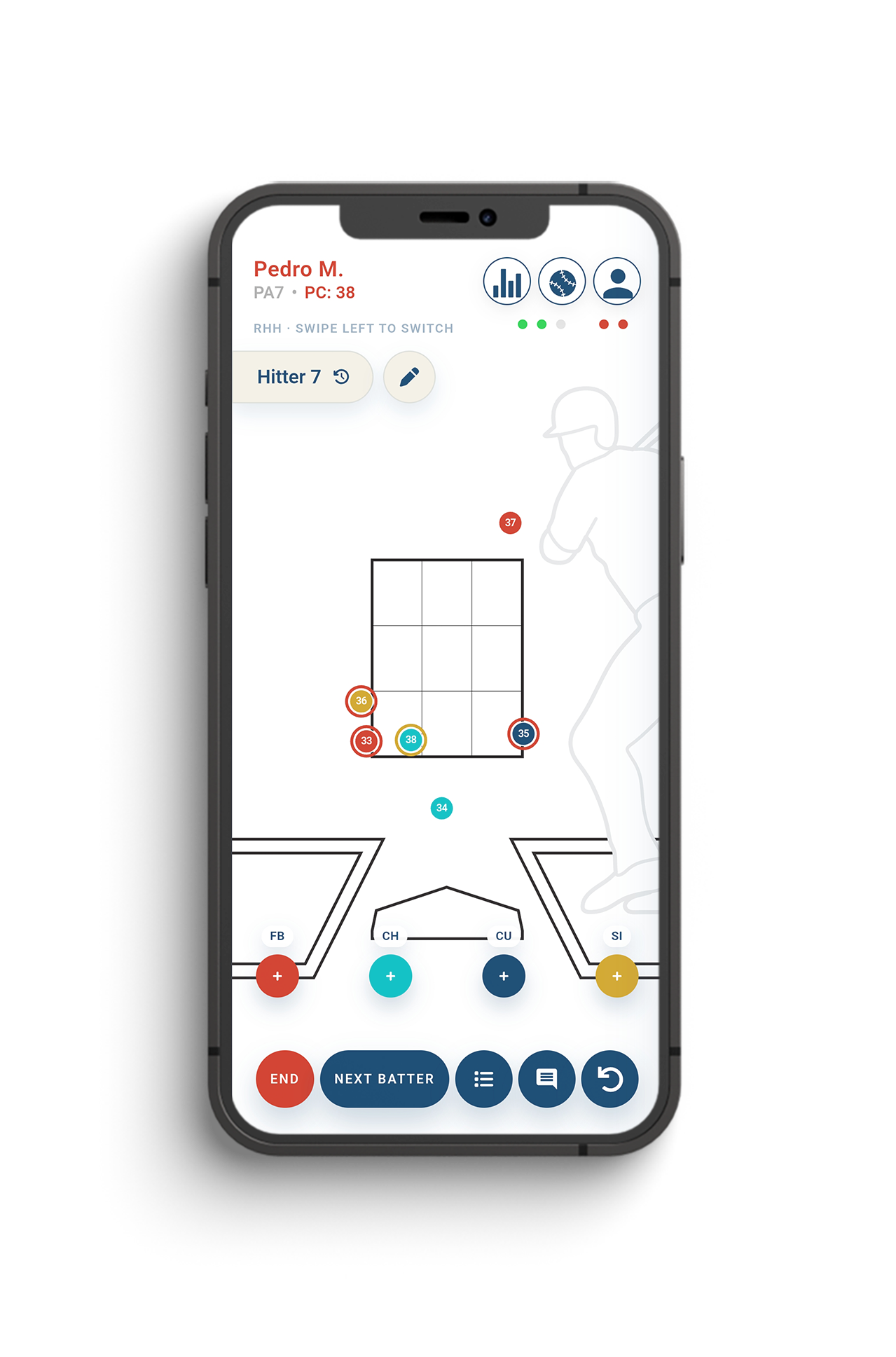
Mark the pitch in a second
Drop a marker where the pitch finished. Play Catch will record the rep without taking you out of the bullpen.
03
Coach the pattern
The full session shows you what kept happening. Use that pattern to decide what to reinforce and what to train next.
A better coaching conversation
See the pattern. Make the coaching clearer.
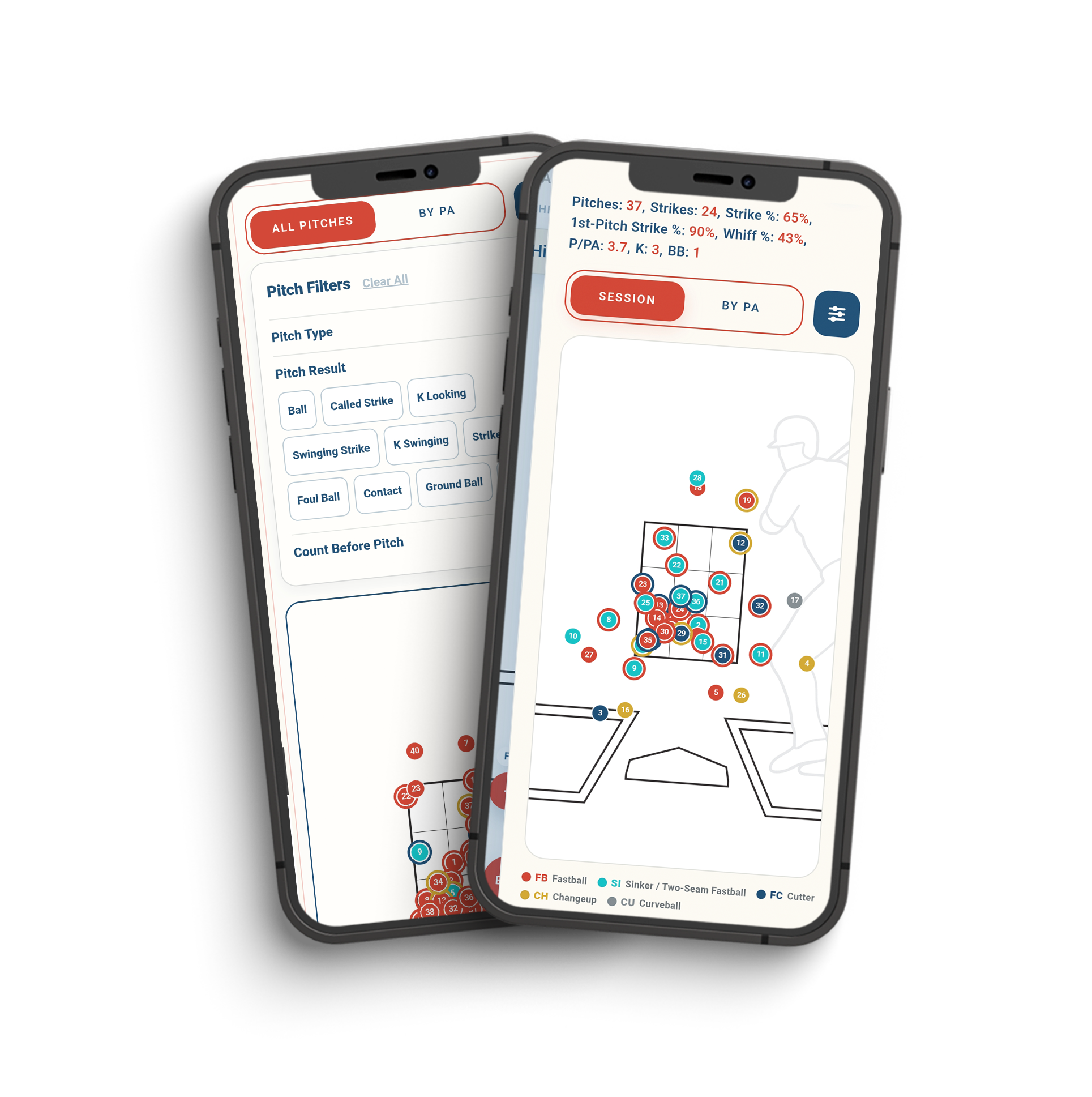
The session view gives coach and player the same evidence. Point to the location they kept finding. Show the miss that repeated. Then turn that into one clear priority for the next bullpen.
Turn scattered pitches into a session-level view
Keep feedback specific, calm, and connected to the work
Share the same picture with a coach, player, or parent
Built around purposeful practice
Good data starts with a clear intention.
The useful question is not just “Was it a strike?” It is “Where was the target, where did the pitch finish, and what does the pattern tell us to practice next?”
01
Targets simplify the job
For developing pitchers, an external target can keep the cue concrete: see it, throw to it, and learn from the result.
02
Structure makes reps comparable
Preplanned pitch types, locations, and rep counts create a repeatable session—and cleaner information to review over time.
03
Useful data does not override arm care
Purposeful reps are still reps. Age-appropriate pitch counts, rest, warmups, and fatigue monitoring remain essential.
Play Catch supports coaching judgment; it does not diagnose mechanics, injury, or readiness to throw.
“Such a great tool for developing a pitching program.”
Workout library — coming next
Bullpens with a job to do.
A growing library of simple, target-based bullpen plans will help coaches move from “throw a pen” to “train this.” Choose the focus, adjust the volume, and use Play Catch to record the result.
Fastball Strike Window
Build a repeatable fastball-control baseline and compare location patterns from the windup and stretch.
The Command Ladder
Move from broad to smaller fastball targets to identify where command begins to change.
Make the Next Pitch Better
Train the immediate adjustment by correcting a miss—or repeating a hit—on the next fastball.
Miss With Purpose
Define the intended edge or chase area, then separate exact execution, usable misses, and wasted pitches.
Traffic Management
Compare fastball command from the regular stretch and slide step while practicing varied pickoff looks to first base.
Fastball–Changeup Mirror
Throw the fastball and changeup to the same called window, then compare whether both pitches execute the shared plan.
Changeup: Strike or Finish
Give the changeup two clear jobs: land it in a called strike window or finish in a defined area below the zone.
Two-Pitch Tunnel Test
Pair the fastball and changeup from the same delivery and initial visual lane, then compare how they separate into assigned locations.
First-Pitch Advantage
Practice independent opening pitches with clear fastball and changeup targets, then compare execution by pitch type and delivery.
Pressure-Count Conversion
Test three common pressure counts in independent sets to identify the pitch and target the pitcher can trust most.
Earn the Third Pitch
Introduce one developing pitch inside stable fastball-changeup sequences without overloading its repetitions.
Third Pitch: Strike or Finish
Give one developing pitch two defined jobs: reach a broad strike window or finish in a reachable assigned area outside it.
Fastball Bookends
Place a developing pitch between two fastballs and measure whether fastball command returns immediately.
Full-Arsenal Location Matrix
Test four established pitches across four location categories to identify dependable pitch-location combinations.
Three-Pitch Sequence Builder
Build intentional three-pitch plans with pitcher-relative locations, then let the pitcher declare and execute the final sequences.
Nine-Out Bullpen
Simulate three innings and nine hitters while measuring outs, efficiency, first-pitch execution, and decision quality.
Coach’s note: Workout examples are starting points, not universal prescriptions. Adjust volume for the athlete’s age, season, health, current workload, and governing rules.
Flexible by design
Your bullpen. Your Plan.
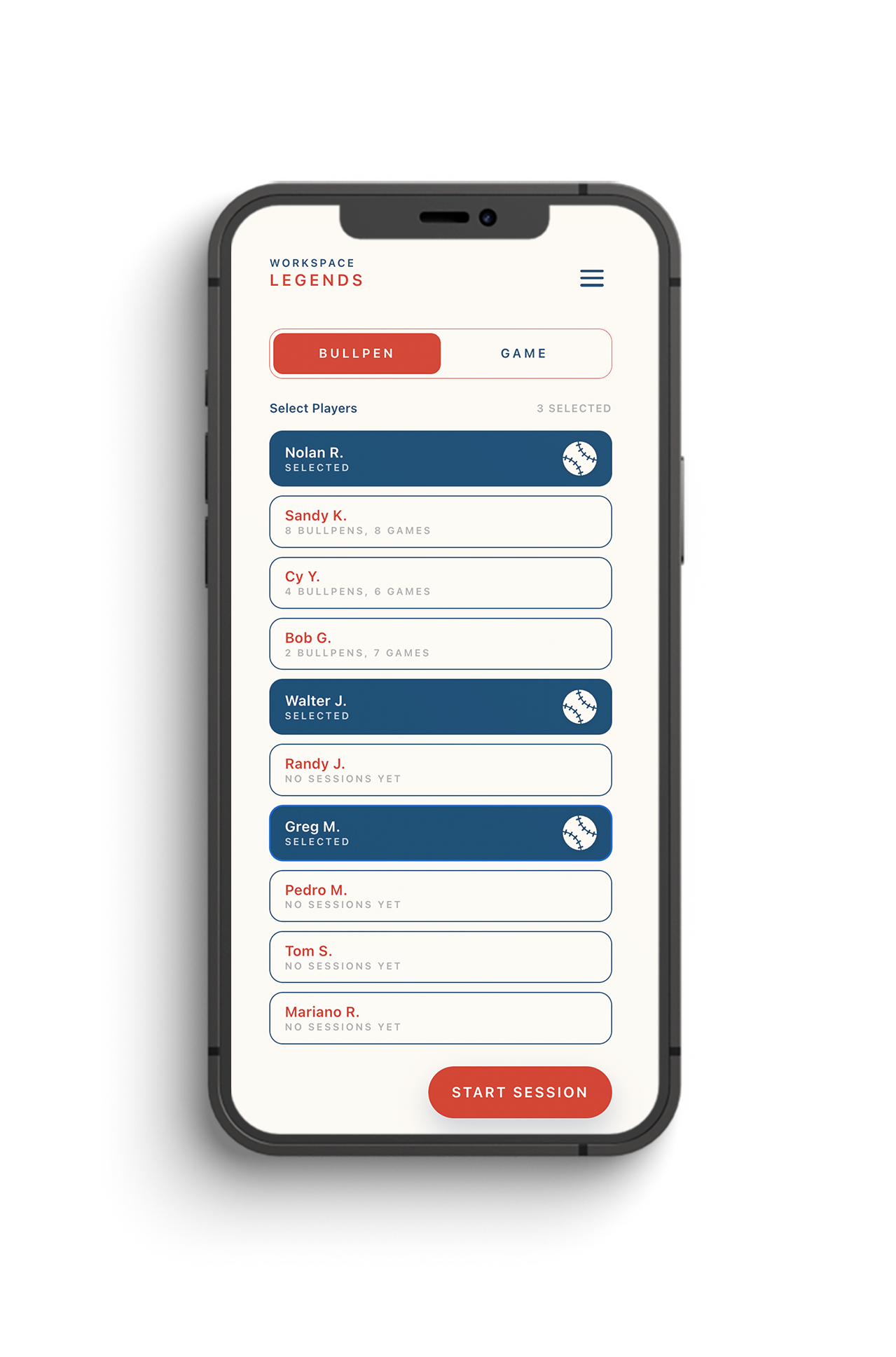
Create the markers that match your terminology and track the situations that matter to you. Play Catch stays fast between pitches without forcing you into someone else’s coaching system.
One move
0
1 View
Built for bullpens
A tool that helps the conversation
Play Catch is designed to stay out of the way while work is happening. Mark the pitch, keep coaching, then use the finished picture to talk about what improved, what kept showing up, and what deserves the next round of reps.
Start simple
Try it in a bullpen. Keep it when it earns a place.
Five free sessions are enough to learn the flow and see whether the picture helps. Upgrade only when you are ready to track more pitchers and keep a deeper history.
Start simple
$0
Learn the workflow with a real pitcher.
- 5 lifetime sessions
- One player per session
- Shareable 90-day reports
PLAY CATCH PLUS
$5.99 / month
Or $39.99/year. Introductory first year: $29.99.
- Unlimited sessions
- Up to 15 players per session
- 180-day shareable report links
- Full access to retained report history while subscribed

Built in the bullpen
Made by a coach who wanted a clearer answer than “pretty good.”
The Play Catch Pitch Tracker was created by a former NCAA Division I baseball player and current youth coach. The idea is intentionally simple: make the work visible without letting the tool get in the way of the work.
Questions from the dugout
Quick answers. No sales pitch.
Does Play Catch automatically detect pitch location?
No. A coach, instructor, or parent marks where the pitch finishes. That manual input keeps the tracker fast, affordable, and usable without cameras or specialized hardware.
Is it only for baseball?
No. The core pitch-location workflow works for both baseball and fastpitch softball. Workout language and examples will continue expanding for both sports.
Does the player need an account?
No. Accounts are for coaches, parents, instructors, and other users age 13 or older. Use only a limited player label—such as a first name, initials, or number.
Will it tell me what is wrong with a pitcher’s mechanics?
No. Play Catch shows pitch-location and outcome patterns. It supports the coach’s judgment; it does not diagnose mechanics, injury, fatigue, or readiness to throw.
Can I share a session report?
Yes. Reports are designed to be easy to review and share with the people involved in the player’s development.
Where can I use the app?
Play Catch is mobile-first and currently available as a web app. Native Google Play and Apple App Store releases are in progress.
Give the next bullpen a purpose
Set the target. See the work.
Start with one pitcher, one focus, and one clear picture when the session ends.